
Why We Cap Every Alaya Group on Purpose
Alaya keeps every group small on purpose. Here’s the real, unglamorous reasoning behind our small-group size cap, and why it isn’t a marketing line.
 Merald AysonSeptember 16, 20263 min read

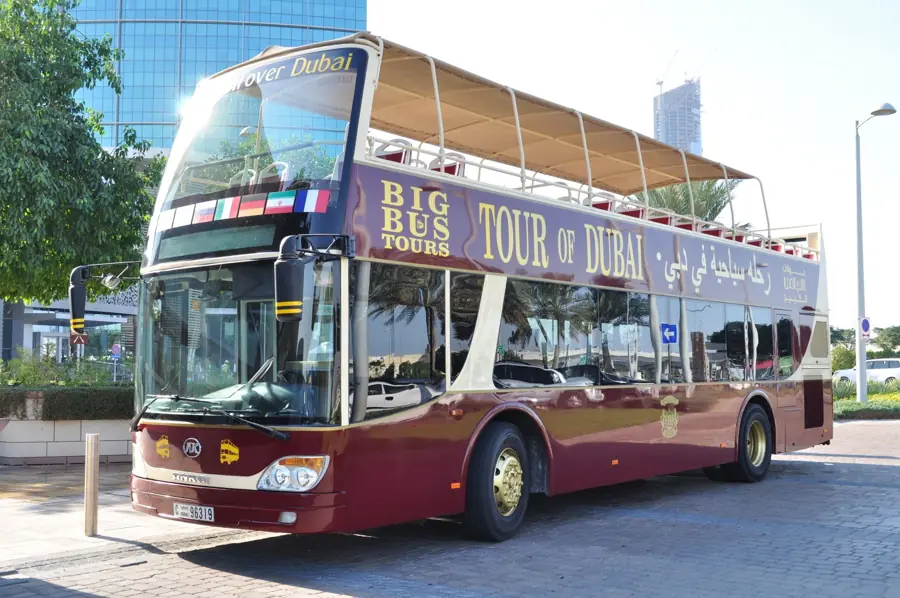
There’s a moment on almost every big tour bus where the guide starts talking into a microphone. Not because they want distance from you, but because there’s no way to be heard by forty people spread across a market alley without one.
That’s the whole story of what a trip becomes once a group gets too big. Nobody planned for it to feel distant. It just does, at that size, no matter how good the guide is.
We built Alaya around a decision that sounds simple and turned out to be the hardest promise to keep: every group, every line, every departure, stays small. Not because “small group” reads well on a homepage; it’s on every tour operator’s homepage. Because it’s the only size at which most of what we actually promise you is still possible to deliver.
Some doors only open for a few people
On Luminous Laos, part of the plan is dinner cooked in a home kitchen in Vientiane, not a restaurant with a “cultural dinner” sign out front. That only works because it’s a handful of people sitting down at a table that already exists in someone’s house. There’s a version of that evening that could technically happen with thirty people, except it wouldn’t be dinner in someone’s home anymore. It would be a restaurant with extra chairs, run by someone we’ve turned into a caterer instead of a host.
The same math applies everywhere we go. A rice-farming morning outside Luang Prabang has room for a handful of hands in the paddy, not fifty pairs of boots compacting soil that isn’t ours. A hot air balloon over Vang Vieng has a basket capacity, full stop. There’s no version of “we’ll just add another balloon” that doesn’t turn a quiet sunrise into a small fleet.
The itinerary needs room to breathe
A guide managing eight people can notice that the group is flagging in the afternoon heat and quietly rework the next two hours. A guide managing forty people is managing logistics, headcounts, and a schedule that has to hold no matter what anyone in the group actually needs that day. Flexibility is not a personality trait of the guide. It’s a function of the number of people they’re responsible for keeping track of.
The group becomes part of the trip
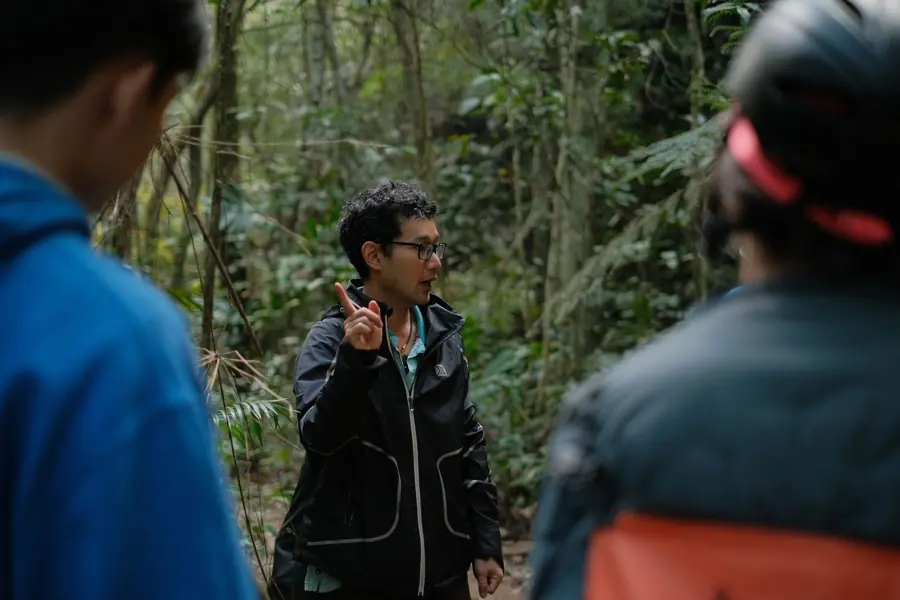
Something happens by day two or three on a small trip that never happens on a large one: people stop being strangers wearing the same lanyard and start being the people you had that specific dinner with, on that specific night, in that specific kitchen. That’s not something we script. It’s just what a group small enough to fit around one table tends to do to the people in it. At forty, most people never learn each other’s names. At a handful, most people exchange numbers at the end and mean it.
What this costs us, and why we keep doing it anyway
We won’t pretend this is free. Small groups mean higher cost per traveler, since there’s no bus-load of margin to spread it across. It means some departures sell out weeks out, and some people who want to come with us on a specific date simply can’t, because the seats are gone. A bigger operator could say yes to more people, more often, at a lower price.
We’ve chosen not to be that operator. Every time we’ve been tempted to add a few more seats to make a departure pencil out better, we’ve come back to the same question: whose dinner table are we adding those seats to? So far, the answer has always been enough to say no.
Travel should mean something by the time you land back home. That’s not possible to guarantee at any size. But it gets a lot less likely somewhere around the point where the guide needs a microphone.
Merald & Mirjan, Alaya
Written by
Merald AysonAn industrial engineer and operations head in tech, the one who plans, systemises, and makes sure things run on schedule. Writes Wandering Emerald on the side.